
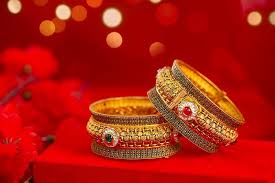

In this article, we will be covering Indian laws applicable to the jewellery business, along with relevant acts and sections where possible:
1. The Indian Contract Act, 1872
- Sections 1-75: Covers various contracts including agreements, performance, and discharge of contracts.
2. The Sale of Goods Act, 1930
- Sections 1-66: Governs the sale and purchase of goods, including jewelry items.
3. The Consumer Protection Act, 2019
- Sections 1-107: Provides protection to consumers against unfair trade practices, defective products, and services.
4. The Legal Metrology Act, 2009
- Sections 1-57: Regulates the standards of weights and measures, applicable to jewelry measurement.
5. The Goods and Services Tax (GST) Act, 2017
- Sections vary: Governs tax on sale of goods and services including gold, silver, and diamonds.
6. The Companies Act, 2013
- Sections 1-470: For companies involved in jewelry business, regulations on incorporation, management, and dissolution.
7. The Income Tax Act, 1961
- Section 44AB (Audit), Section 68 (Unexplained Cash Credits): Governs tax on income generated through jewelry sales.
8. The Prevention of Money Laundering Act, 2002
- Sections 1-75: Ensures that transactions in the jewelry business comply with anti-money laundering regulations.
9. The Customs Act, 1962
- Sections 1-161: Pertains to the import and export of precious metals and jewelry.
10. The Foreign Exchange Management Act, 1999 (FEMA)
- Sections 1-50: Regulates foreign exchange dealings, including international transactions for jewelry businesses.
11. The Trade Marks Act, 1999
- Sections 1-159: Protection of trademarks specific to jewelry brands.
12. The Patents Act, 1970
- Sections 1-163: Governs patenting of unique jewelry designs.
13. The Designs Act, 2000
- Sections 1-48: Protects ornamental and aesthetic designs for jewelry.
14. The Copyright Act, 1957
- Sections 1-79: Covers intellectual property protection for unique jewelry designs and catalogues.
15. The Partnership Act, 1932
- Sections 1-74: Governs partnerships in jewelry businesses.
16. The Limited Liability Partnership Act, 2008
- Sections 1-81: Regulations on LLPs in jewelry business.
17. The Competition Act, 2002
- Sections 1-66: Ensures fair trade practices in the jewelry market.
18. The Consumer Goods (Mandatory Quality Control) Order, 1981
- Enforces quality standards in jewelry production.
19. The Shops and Establishments Act (State-specific)
- Governs working conditions, hours, and employee rights in jewelry businesses.
20. The Indian Penal Code, 1860
- Sections 415, 420 (Cheating and fraud), 403 (Dishonest Misappropriation of Property): Relates to potential fraud in jewelry sales.
21. The Arbitration and Conciliation Act, 1996
- Sections 1-86: Governs dispute resolution in business contracts for jewelry businesses.
22. The Consumer Goods (Control of Production, Supply, Distribution) Order, 1986
- Regulates production and distribution of jewelry.
23. The Insolvency and Bankruptcy Code, 2016
- Sections 1-255: Pertains to insolvency resolution of jewelry businesses.
24. The Payment of Wages Act, 1936
- Governs timely wage payment to employees in jewelry businesses.
25. The Minimum Wages Act, 1948
- Ensures minimum wage standards for employees in jewelry businesses.
26. The Employees’ Provident Funds and Miscellaneous Provisions Act, 1952
- Pertains to provident fund provisions for jewelry business employees.
27. The Employees’ State Insurance Act, 1948
- Provides medical and social security benefits to employees.
28. The Factories Act, 1948
- Ensures safety and health standards for jewelry manufacturing facilities.
29. The Environmental Protection Act, 1986
- Regulates environmental impact of manufacturing processes in jewelry production.
30. The Hazardous and Other Wastes (Management and Transboundary Movement) Rules, 2016
- Regulates disposal of hazardous wastes during jewelry production.
31. The Export and Import Policy, 1997-2002
- Governed by the Foreign Trade (Development & Regulation) Act, 1992: Oversees jewelry exports and imports.
32. The Bureau of Indian Standards Act, 2016
- Governs quality certification for gold and silver jewelry.
33. The Foreign Trade Policy 2015-2020
- Regulates international trade practices for the jewelry sector.
34. The Prevention of Black Marketing and Maintenance of Supplies of Essential Commodities Act, 1980
- Controls hoarding and black marketing of precious metals.
35. The Reserve Bank of India Act, 1934
- Regulates financial transactions for jewelry businesses, including gold imports.
36. The Small Scale and Ancillary Industries Undertakings Act, 2006
- Provides incentives to small jewelry businesses.
37. The Child Labour (Prohibition and Regulation) Act, 1986
- Prohibits employment of children in hazardous jewelry manufacturing units.
38. The Trade Descriptions Act, 1968
- Regulates misrepresentation in descriptions and quality of jewelry items.
39. The Gold (Control) Act, 1968 (Repealed, but certain regulations continue in similar form)
- Historic Act for controlling gold transactions, replaced by other acts but referenced in some regulatory guidance.
40. The Right to Information Act, 2005
- Allows stakeholders to access information about regulatory compliance in jewelry businesses.
41. The Insurance Act, 1938
- Governs insurance policies on assets, such as jewellery inventories and store properties.
42. The Public Liability Insurance Act, 1991
- Requires insurance coverage to protect the public against liabilities from accidents during business operations.
43. The Customs Tariff Act, 1975
- Covers customs duties on jewellery and precious stones imported or exported.
44. The Narcotic Drugs and Psychotropic Substances Act, 1985
- Relevant to gemstone sourcing as some minerals may be linked to restricted substances.
45. The Money Laundering (Maintenance of Records) Rules, 2005
- Outlines record-keeping requirements for high-value jewellery transactions to prevent money laundering.
46. The Gold Monetisation Scheme, 2015
- Encourages conversion of gold holdings into financial instruments, impacting business holdings and customer investments.
47. The Securities and Exchange Board of India (SEBI) Act, 1992
- Governs public companies in the jewellery sector regarding securities and investments.
48. The Geographical Indications of Goods (Registration and Protection) Act, 1999
- Protects regional jewellery designs and craftsmanship, such as Kundan, Temple, and Filigree jewellery.
49. The Special Economic Zones (SEZ) Act, 2005
- Relevant to jewellery businesses that operate in SEZs, providing tax benefits and trade incentives.
50. The Prevention of Corruption Act, 1988
- Enforces anti-bribery and anti-corruption measures in jewellery business transactions.
51. The Public Procurement (Preference to Make in India) Order, 2017
- Gives preference to locally manufactured jewellery in government procurements.
52. The Micro, Small, and Medium Enterprises Development Act, 2006 (MSME)
- Provides financial assistance and support for small-scale jewellery businesses.
53. The Employment Exchanges (Compulsory Notification of Vacancies) Act, 1959
- Mandates businesses to notify employment vacancies in jewellery stores to employment exchanges.
54. The Trade Unions Act, 1926
- Allows jewellery business employees to form unions and participate in collective bargaining.
55. The Industrial Disputes Act, 1947
- Provides a framework for handling disputes in jewellery manufacturing and retail units.
56. The Payment of Gratuity Act, 1972
- Governs gratuity payment for employees who have served over five years in a jewellery business.
57. The Industrial Employment (Standing Orders) Act, 1946
- Standardizes rules for employee conduct and discipline in jewellery businesses.
58. The Employment Injury Benefit Act, 1952
- Provides benefits to employees injured while working in jewellery manufacturing or retail facilities.
59. The Shops and Establishments (Amendment) Bill, 2016
- Regulates working hours, leave policies, and conditions for employees in jewellery shops.
60. The Mines Act, 1952
- Governs safety and labour practices in gemstone and precious metal mining, relevant for jewellers involved in sourcing.
61. The Public Premises (Eviction of Unauthorised Occupants) Act, 1971
- Deals with the eviction of unauthorized occupants from jewellery business premises.
62. The Urban Land (Ceiling and Regulation) Act, 1976
- Regulates ownership and ceiling on land use, impacting store locations and expansion plans.
63. The National Green Tribunal Act, 2010
- Provides an appellate body to address environmental disputes, especially relevant in mining for gemstones.
64. The Wildlife Protection Act, 1972
- Controls the use of materials from protected species, such as animal bones or feathers in jewellery.
65. The Indian Stamp Act, 1899
- Imposes stamp duty on agreements and sale deeds, including those involving jewellery transactions.
66. The Special Economic Zone Rules, 2006
- Governs operations of jewellery export businesses within SEZs, providing regulatory benefits and compliance rules.
67. The Customs Valuation (Determination of Value of Imported Goods) Rules, 2007
- Establishes valuation rules for imported jewellery and precious stones.
68. The Directorate General of Foreign Trade (DGFT) Regulations
- Sets procedures and rules for the import and export of jewellery products and raw materials.
69. The Prevention of Insider Trading Act, 1992
- Applies to jewellery businesses listed on the stock exchange, regulating trading based on non-public information.
70. The Labour Laws (Exemption from Furnishing Returns and Maintaining Registers by Certain Establishments) Act, 1988
- Allows small jewellery businesses to simplify record-keeping of labour law compliances.
71. The Collection of Statistics Act, 2008
- Governs data collection related to manufacturing and trade of jewellery for government analysis.
72. The Water (Prevention and Control of Pollution) Act, 1974
- Regulates the disposal of waste water generated during the jewellery manufacturing process.
73. The Air (Prevention and Control of Pollution) Act, 1981
- Addresses air pollution control in jewellery manufacturing units with emissions.
74. The Intellectual Property Rights (Imported Goods) Enforcement Rules, 2007
- Protects against the import of counterfeit jewellery goods.
75. The Information Technology Act, 2000
- Governs e-commerce activities and digital contracts for jewellery businesses selling online.
76. The Payment and Settlement Systems Act, 2007
- Regulates electronic payment methods, including digital and credit transactions in jewellery sales.
77. The Arbitration Act, 1940
- Provides a legal framework for resolving disputes in contracts involving jewellery.
78. The Insolvency Professionals (Amendment) Regulations, 2022
- Relevant for jewellery businesses undergoing bankruptcy or restructuring.
79. The Prohibition of Benami Property Transactions Act, 1988
- Prevents concealed ownership in property acquisitions for jewellery businesses.
80. The Representation of People Act, 1951
- Governs transparency in contributions by jewellery businesses to political entities or campaigns.
These list of laws reflects various obligations a jewellery business has to follow in India, covering consumer rights, employee protection, environmental regulations, financial transparency, trade policies, and anti-corruption measures.