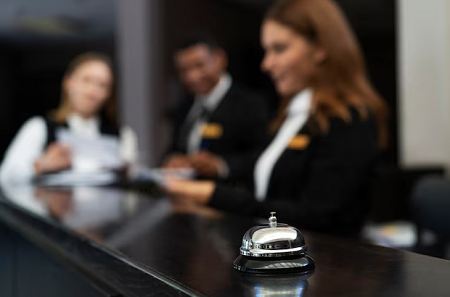

Every hotel since Covid-19 has been facing the issue of low occupancy rate it could be the various reason for instance location, price, quality furniture.
In this article, we will discuss on “HOW TO CREATE A BUSINESS FRAMEWORK FOR HOTEL INDUSTRY“
Background
Hotel Name: Hotel early Bird
Location: Delhi Ncr
Established: 2010
Current Size: 20 rooms, 1 restaurant, 1 conference room
Target Market: Business travelers, vacationing families, and event organizers
Hotel early Bird was facing challenges such as low occupancy rates, limited brand recognition, high drop in price segment and intense local competition. The hotel management decided to implement a comprehensive growth strategy to enhance its market presence and profitability.
Strategic Plan for Growth
- Market Research and Analysis
Objective: Understand market demand, customer preferences, and competitive landscape.
Actions Taken: Conducted surveys with existing and potential customers to identify preferences for amenities, services and pricing or any other things.
Analyzed competitors’ offerings, pricing strategies, sales strategy advertising expenses and market positioning.
Identified emerging trends, such as eco-tourism and digital penetration, government initiatives for tourim sector, upcoming challenges in tourism sector.
Outcome: Discovered a high demand for eco-friendly practices and good quality amenities.
Noted a gap in the market for business-friendly accommodations with enhanced meeting facilities
- Creating Brand Value
Objective: Increase brand identity and increase market visibility.
Actions Taken: Developed a new brand identity that highlighted the hotel’s USPs
Redesigned the hotel’s logo, website, and digital marketing strategy to reflect the new brand image.
Launched a social media campaign focusing on the hotel’s unique features and guest experiences through testimonials and virtual experience.
Interviewed with the podcasters on highlighting the qualities, importance, experience, luxury lifestyle exposure and add-on service in hotel.
Outcome: Increased brand recognition and attracted a broader audience through social media engagement. Received positive feedback and higher visibility in search engine results.
Gained more visitors to check-in into hotel and much more.
- Service and Amenities Enhancement
Objective: Improve guest experience and give more valuable comfortable experience then competitors.
Actions Taken: Renovated guest rooms and common areas with modern furnishings and eco-friendly materials using plants, flowers (MAKE OVER THROUGH UNIQUE AND CREATIVITY).
Added new amenities such as a spa, fitness center, and family-friendly activities (e.g., children’s play area).
Upgraded the restaurant to offer a diverse menu with local, organic ingredients and customized options like: subway
Outcome: Increased guest satisfaction, leading to higher ratings on review sites and repeatable customers. Attracted families and foriegn travelers, expanding the hotel’s customer base.
- Marketing and Sales Strategy
Objective: Increase bookings and revenue through targeted marketing and sales initiatives.
Actions Taken: Implemented a targeted based digital marketing campaign which includes search engine optimization (SEO), pay-per-click (PPC) advertising, podcasts and email marketing.
Partnered with local businesses and tourism boards to create package deals and cross-promotional opportunities. example (Freebies/ discounts etc)
Introduced a loyalty program offering rewards for repeat guests and referrals.
Outcome: Boosted online bookings through enhanced visibility and targeted ads.
Increased occupancy rates and average daily customers (ADC) due to successful partnerships and promotions. Developed a loyal customer base through the rewards program.
- Operational Efficiency and Staff Training
Objective: Enhance operational efficiency and service quality.
Actions Taken: Implemented a new software; property management system (PMS) to streamline reservations, check-ins, and guest management.
Conducted regular staff training focused on customer service, efficiency, and sustainability practices.
Introduced a system for tracking guest feedback and addressing issues promptly using tablets during checkout day.
Outcome: Improved operational efficiency, leading to faster check-in/check-out processes and better resource management. Enhanced guest satisfaction due to well-trained staff and improved service delivery.
- Community Engagement and Corporate Social Responsibility (CSR)
Objective: Build a positive reputation and strengthen community tie ups.
Actions Taken: Engaged in local community events and sponsored local initiatives to raise brand awareness.
Implemented CSR programs focused on environmental sustainability.
Partnered with local charities to host fundraising events and offer discounted rates for charity workers.
Outcome: Enhanced reputation as a socially responsible business, leading to positive media coverage and community support.
Increased local patronage and attracted guests who value businesses with strong CSR practices.
Conclusion
The growth strategy implemented by Hotel Early Bird created a comprehensive approach to business expansion. By focusing 360 degree approach o capture the challenges and create a business framework for growth.
This case study illustrates that; with the right strategy and execution, even from small to mid-sized hotels can successfully compete and thrive in a competitive market.