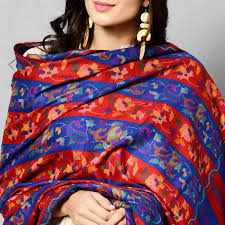

Fashion Industry known for their heritage value and traditional craftsmanship with modern fashion that are protected by several Indian laws and regulations to preserve their authenticity, prevent counterfeiting, and regulate their trade. Here are the main laws and provisions that apply –
1. Geographical Indications of Goods (Registration and Protection) Act, 1999
- Section 2(e) – Defines “geographical indication,” which is used to identify goods originating from a specific location, such as Kashmir shawls.
- Section 11 – Provides a framework for the registration of geographical indications. “Kashmir Pashmina” is a registered geographical indication, which protects its name and region-based authenticity.
- Section 24 – Deals with the duration, renewal, and restoration of geographical indications.
2. Customs Act, 1962
- Section 11 – Allows the government to prohibit or regulate the export and import of goods in the public interest. This is relevant for the export of Kashmir shawls, as they must meet certain standards to prevent counterfeit or substandard goods from entering the market.
- Section 113(d) – Relates to confiscation of improperly exported goods, which may include counterfeit shawls marked as Kashmir shawls.
3. Handloom (Reservation of Articles for Production) Act, 1985
- This Act reserves specific articles for production only by the handloom sector to protect traditional crafts. Kashmir shawls, especially hand-woven varieties, are considered reserved items under this law.
4. The Wildlife Protection Act, 1972
- Section 49B – Prohibits trade in certain animal products. Since some traditional shawls used Shahtoosh (wool from the endangered Tibetan antelope), this section is relevant in prohibiting Shahtoosh shawl manufacturing and trade.
- Schedule I – Lists protected animals, including the Tibetan antelope, making any trade in Shahtoosh wool illegal.
5. Indian Penal Code, 1860 (IPC)
- Section 420 – Deals with cheating and dishonestly inducing delivery of property. This applies to cases where counterfeit Kashmir shawls are sold under false pretenses.
- Section 489 – Addresses counterfeiting of trade-related items, applicable to the imitation of GI-marked Kashmir shawls.
6. The Trademarks Act, 1999
- Section 103 – Penalizes the infringement of trademarks, which is applicable to any misuse of registered trademarks associated with Kashmir shawls.
- Section 104 – Provides for penalties for falsely applying a trademark, relevant when non-authentic shawls are labeled as Kashmir shawls.
7. Bureau of Indian Standards Act, 2016
- Sets quality standards for various goods, including handloom products like Kashmir shawls. These standards help in maintaining quality and authenticity in both domestic and international markets.
8. Export Policy of India
- Kashmir shawls that use animal fur or endangered animal products like Shahtoosh are prohibited from export, as per the Export Policy governed by the Directorate General of Foreign Trade (DGFT).
10. The Consumer Protection Act, 2019
- Section 2(9) – Defines unfair trade practices, including misrepresentation of products. Selling fake Kashmir shawls as authentic ones falls under unfair trade practices, protecting consumer rights.
- Section 21 – Allows consumer complaints against counterfeit products, which can be applicable in cases where non-authentic shawls are sold as Kashmir shawls.
11. The Patents Act, 1970
- Section 3(p) – Excludes from patentability any invention that is traditional knowledge or aggregation of known properties. This indirectly protects Kashmir shawls as traditional knowledge, preventing their proprietary use or reproduction as a patented invention.
12. The Copyright Act, 1957
- Section 13 – Provides protection to original artistic works. Traditional designs, patterns, and motifs on Kashmir shawls can be protected as artistic works under this Act.
13. The Foreign Trade (Development and Regulation) Act, 1992
- Section 3 – Empowers the government to regulate exports and imports. The government can restrict the export of Kashmir shawls to ensure quality control and prevent illegal trade in restricted materials like Shahtoosh.
14. Prevention of Money Laundering Act, 2002
- Section 2(u) – Defines proceeds of crime. If counterfeiting and illegal trade of Kashmir shawls generate illicit revenue, they can be investigated under this Act as proceeds of crime.
15. The Environmental Protection Act, 1986
- Used to regulate the use of environmentally sensitive raw materials. For example, if a particular shawl uses environmentally hazardous dyes, this Act may apply to ensure eco-friendly manufacturing processes in shawl production.
16. Indian Standards for Identification and Labeling
- The Bureau of Indian Standards (BIS) provides guidelines for labeling, quality, and testing of textiles. Kashmir shawls need to meet these quality standards for identification, ensuring only authentic products reach consumers.
17. The Designs Act, 2000
- Section 2(d) – Protects original designs, including those found on Kashmir shawls. This Act helps prevent copying of unique shawl patterns, ensuring artisans’ intellectual property rights.
18. The Prevention of Black Marketing and Maintenance of Supplies of Essential Commodities Act, 1980
- Prevents black marketing and hoarding, which can apply if there are attempts to monopolize Kashmir shawls, creating artificial scarcity and inflating prices in the market.
19. Indian Contract Act, 1872
- Section 17 – Deals with fraud in contractual dealings, which is relevant if a vendor misrepresents a shawl’s authenticity in sales agreements.
- Section 18 – Covers misrepresentation, which would apply if a product is falsely marketed as a genuine Kashmir shawl without proper authentication.
20. The Textile Committee Act, 1963
- This Act established the Textile Committee, which ensures quality control in the textile industry, including handlooms like Kashmir shawls. It is involved in testing, inspection, and certification of quality.
21. Indian Evidence Act, 1872
- Section 45 – Allows expert testimony, which can be used to determine the authenticity of Kashmir shawls. Experts can testify regarding the shawl’s origin, material, and craftsmanship.
22. Indian Stamp Act, 1899
- Ensures that the stamp duty is paid on commercial agreements involving Kashmir shawls. Proper documentation is crucial in the trade of valuable handlooms.
23. Protection of Plant Varieties and Farmers’ Rights Act, 2001
- While primarily related to agriculture, this Act includes provisions on the protection of indigenous materials. In cases where Kashmir shawl artisans use traditional plant-based dyes, this law can apply.
24. Biological Diversity Act, 2002
- Promotes the conservation of biological resources, which includes traditional materials used in Kashmir shawl-making. This Act ensures sustainable use of biodiversity in the shawl production process.
25. Export and Import Policy (Exim Policy)
- The Exim Policy, regulated by the Directorate General of Foreign Trade (DGFT), controls the export of items like Kashmir shawls. It requires shawls exported from India to meet international quality standards.
26. The Competition Act, 2002
- Prevents anti-competitive practices. This Act can address monopolistic practices or cartels in the Kashmir shawl industry to ensure fair competition.
27. The Legal Metrology Act, 2009
- Ensures that all commercial transactions are accurately measured and labeled, which applies to shawls that must be sold based on precise measurements and accurate labeling.
28. The Public Liability Insurance Act, 1991
- Provides for public liability insurance for environmental harm caused by manufacturing processes. This is relevant if Kashmir shawl production impacts the environment.
29. The Sale of Goods Act, 1930
- Section 16 – Deals with implied conditions and warranties, which would apply if a Kashmir shawl is sold under false pretenses or if it does not meet quality claims.
30. The Narcotic Drugs and Psychotropic Substances Act, 1985
- Prohibits the use of certain plant materials that may be associated with narcotics. This could affect the use of specific dyes or materials if restricted substances are involved in shawl production.
31. The Antiquities and Art Treasures Act, 1972
- Regulates the export of antiques and art treasures. If any old Kashmir shawls are considered antique, their trade is governed under this Act.
32. The Trade Marks Rules, 2017
- These rules implement the Trade Marks Act, including provisions on certification marks. Authentic Kashmir shawls can carry certification marks to signify quality and origin.
33. The Factories Act, 1948
- Section 11-20 – Provides provisions for working conditions, safety, and welfare of workers in factories. If any factory produces Kashmir shawls, it must adhere to these standards.
34. The Apprentices Act, 1961
- Provides for the training of apprentices, which can be used to train young artisans in the traditional art of Kashmir shawl-making.
35. The Scheduled Tribes and Other Traditional Forest Dwellers (Recognition of Forest Rights) Act, 2006
- Protects the rights of traditional forest dwellers who gather raw materials for shawl production, including plant-based dyes or wool.
36. The Small and Medium Enterprises Development (MSMED) Act, 2006
- Supports small and medium enterprises, many of which produce Kashmir shawls. This Act provides financial aid, marketing, and technological support to MSMEs.
37. The Labour Laws (Simplification of Procedure for Furnishing Returns and Maintaining Registers by Certain Establishments) Act, 1988
- Simplifies the process for small shawl-producing establishments to comply with labor laws, helping artisans maintain necessary records without excessive paperwork.
38. The Collection of Statistics Act, 2008
- Authorizes the collection of statistics on industries, which could include data on the Kashmir shawl industry to help in policymaking and economic planning.
39. The Foreign Exchange Management Act (FEMA), 1999
- Governs foreign trade and foreign exchange related to export transactions. This Act applies to international transactions in Kashmir shawls, especially for luxury buyers abroad.
The above acts and regulation are enforced on the fashion industry..